Think You're Using Your Storage Unit Well? These 10 Smart Storage Tips Will Help You Get Even More Space
Renting a storage unit is one of the easiest ways to create more room at home, simplify a renovation, or keep seasonal belongings organized throughout the year. However, simply placing your items inside a unit isn't enough to get the full value from your rental. The way you pack, organize, and maintain your storage space has a major impact on how well your belongings stay protected and how easy they are to access months or even years later. Fortunately, maximizing your storage unit doesn't require expensive equipment or professional organizers. A little planning before move-in day, along with a few smart habits, can help you store more while reducing clutter, preventing damage, and making every trip to your storage unit quicker and less stressful. Instead of searching through dozens of boxes every time you need something, you'll know exactly where everything is located.
If you're exploring storage options in Cookeville, taking time to organize your unit from the beginning will pay off every time you visit. Whether you're storing household furniture, family keepsakes, business inventory, recreational gear, or holiday decorations, these practical tips will help you maximize every square foot while keeping your belongings safe and organized. One reason storage is especially useful in Cookeville is the area's active lifestyle. Many residents enjoy weekends hiking at Cummins Falls State Park, paddling on Center Hill Lake, spending afternoons at Cane Creek Park, or attending events at Tennessee Tech University. Instead of allowing camping equipment, fishing gear, bicycles, paddleboards, or seasonal decorations to fill your garage throughout the year, a well-organized storage unit provides a convenient place to rotate these items as your needs change. You can learn more about local attractions and outdoor activities through the official Visit Cookeville tourism website.
Key Points for Readers Short on Time
- Choose a storage unit that leaves room to organize instead of simply fitting everything inside.
- Label every box with detailed contents instead of using general room names.
- Build upward safely by stacking strategically and using shelving whenever possible.
- Leave a walkway so you can reach items without unpacking your entire unit.
- Revisit your storage unit every few months to stay organized and eliminate unnecessary clutter.
A Little Planning Goes a Long Way
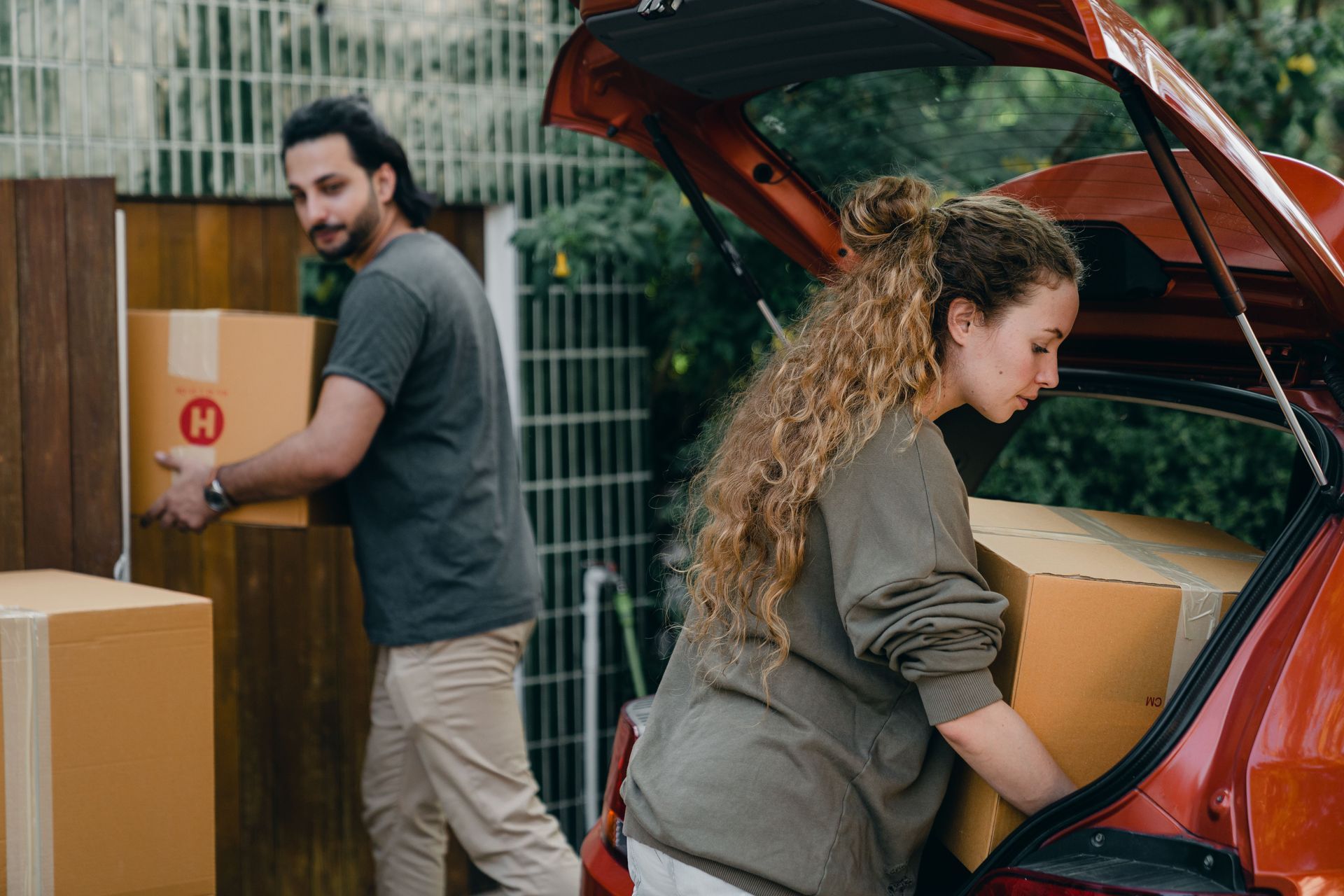
Many people assume organizing a storage unit begins after everything has been moved inside. In reality, successful storage starts several days before moving day. Creating a simple inventory, gathering quality packing supplies, and deciding where various categories of belongings will be placed can dramatically improve the overall layout of your unit. Without a plan, it's easy to load boxes randomly simply to finish unloading the moving truck. While this may save a few minutes initially, it often leads to frustration later when important items disappear behind furniture or beneath stacks of unlabeled containers. Spending just a little extra time planning your layout can save countless hours over the life of your rental.
Think about how frequently you'll need certain belongings, which items require additional protection, and whether you'll be adding or removing boxes throughout the year. Having a strategy before you arrive makes the entire process much smoother.
1. Choose the Right Storage Unit Size From the Beginning
One of the most common storage mistakes happens before the first box is even packed. Renting a unit that's too small often leads people to cram belongings together with little room for organization, while renting one that's unnecessarily large may mean paying for space that isn't being used effectively. Instead of estimating based on guesswork, make a list of everything you plan to store. Include large furniture, appliances, shelving, bicycles, business inventory, and oversized recreational equipment. Remember to account for future additions as well, since many people continue adding belongings after their initial move.
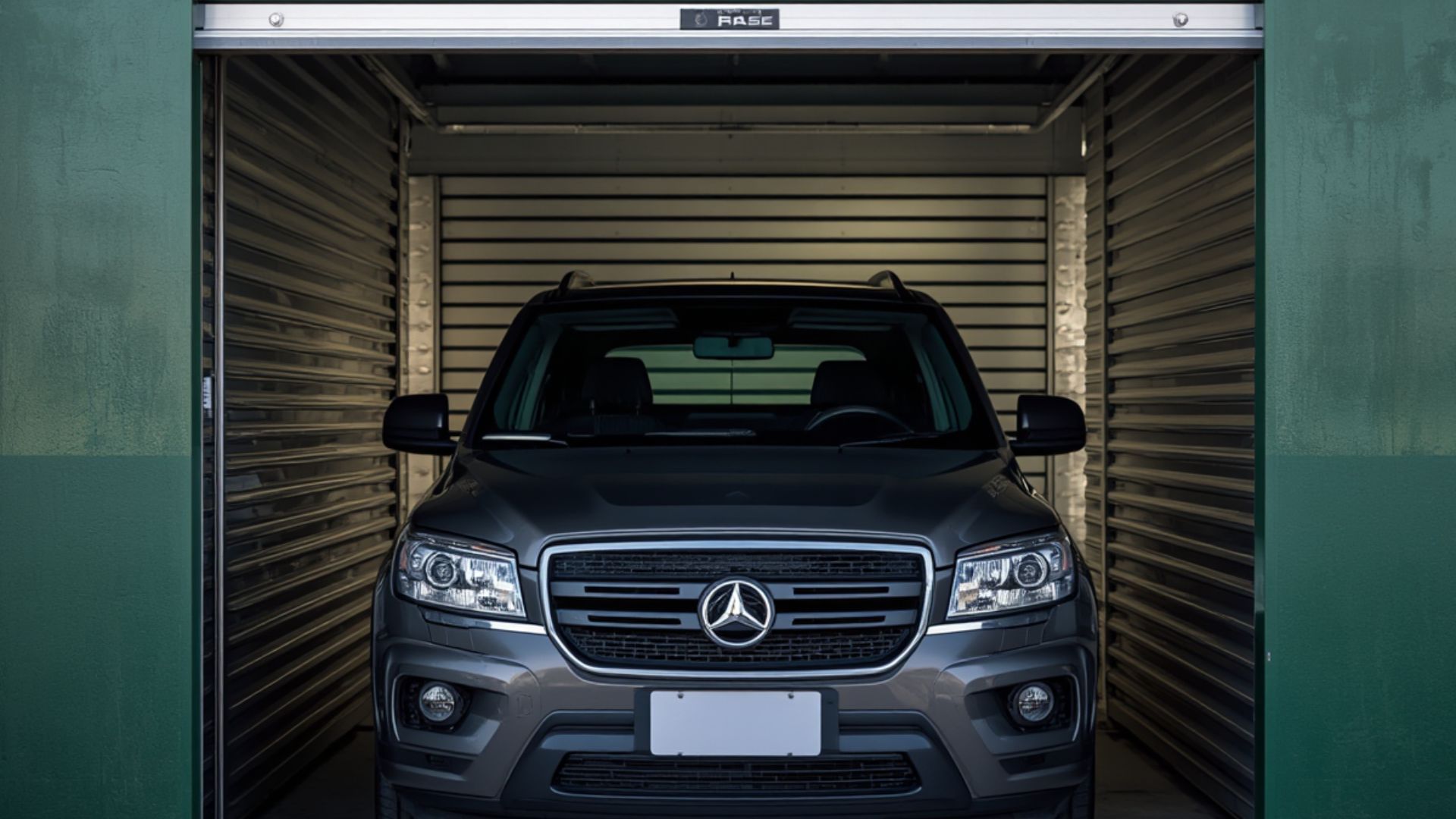
Equally important, leave enough room to comfortably walk through your storage unit. A slightly larger unit frequently provides better value because it allows you to organize belongings logically instead of stacking everything tightly from floor to ceiling. If you're also considering vehicle storage, this guide on choosing vehicle storage in Cookeville explains how to determine the appropriate amount of space for cars, trucks, trailers, and other vehicles.
2. Organize Before You Pack
After selecting the right unit, the next step is organizing your belongings before placing them into boxes. Although it may be tempting to pack room by room as quickly as possible, grouping similar items together creates a much more organized storage system. For example, store holiday decorations together instead of scattering them among household items. Keep kitchen appliances in their own boxes, office supplies together, children's keepsakes together, and garage tools in another section. This simple organizational method allows you to retrieve exactly what you need without opening multiple containers.
Likewise, use quality packing materials whenever possible. Strong boxes of similar sizes stack more securely than mismatched containers, reducing the likelihood of shifting over time. Plastic bins are another excellent choice for items that you'll access regularly because their contents remain visible without opening every container.
3. Label Everything Clearly
One of the easiest ways to improve your storage experience is also one of the most overlooked. Rather than writing vague labels such as "Bedroom" or "Miscellaneous," take a few extra moments to describe what's actually inside each container. For instance, "Guest Bedroom Linens," "Holiday Lights," "Winter Jackets," or "Camping Cookware" provide much more useful information months later. Additionally, placing labels on multiple sides of each box ensures you can still read them regardless of how the boxes are stacked.
Some people also create a simple spreadsheet or numbered inventory that matches each box to its contents. This approach becomes especially valuable for larger storage units containing dozens of containers. The National Institute of Standards and Technology also emphasizes the importance of organized inventories and proper documentation for managing stored property and valuable assets, making inventory management beneficial well beyond storage facilities.
4. Make Vertical Space Work for You
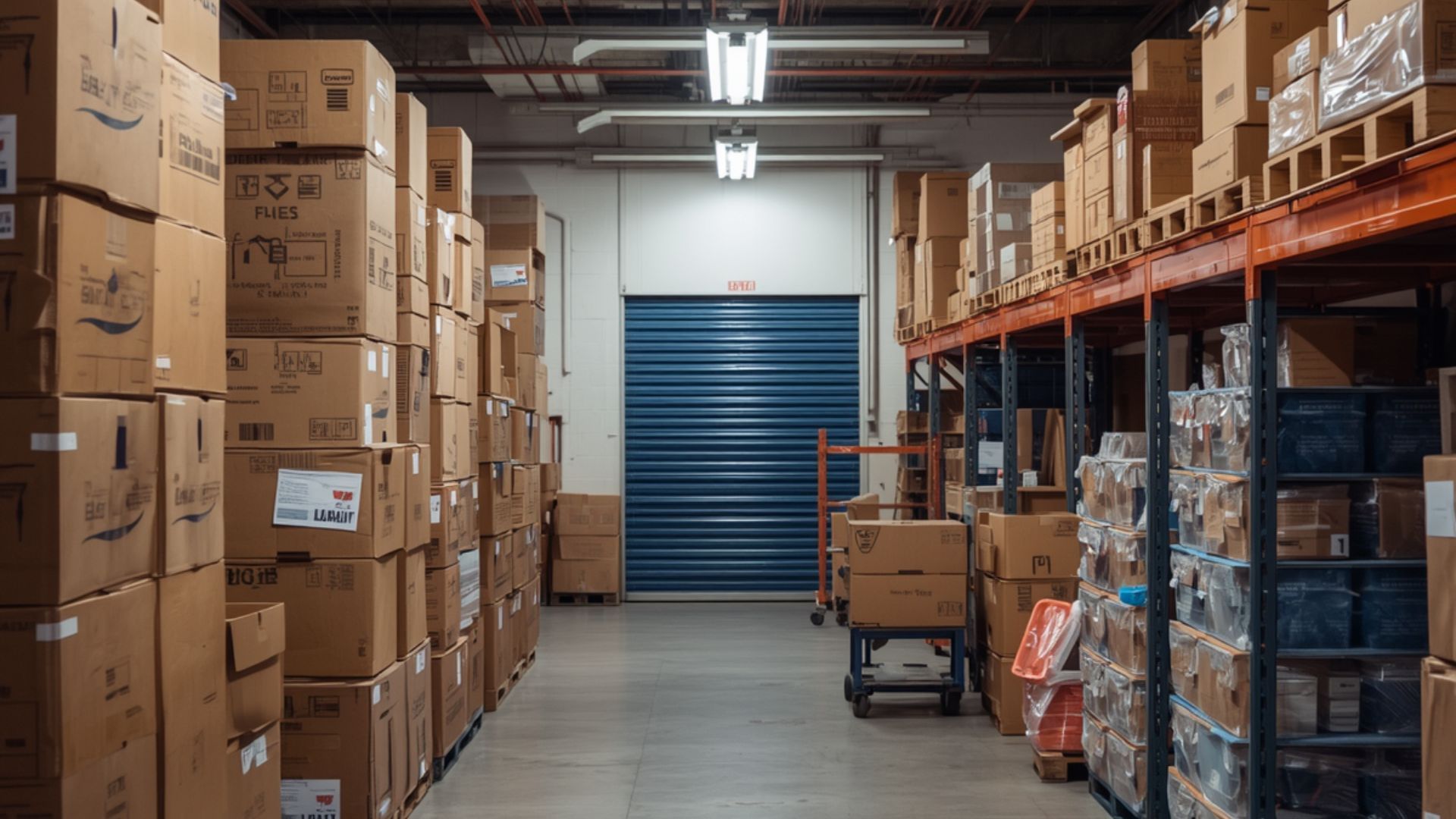
Floor space is limited, but most storage units offer plenty of vertical space that often goes unused. Learning to build upward safely can dramatically increase your available storage capacity without requiring a larger unit. Begin by placing your heaviest boxes on the floor. These provide a stable foundation for lighter containers stacked above them. Fragile belongings should always remain near the top, where they are less likely to be crushed.
Shelving units are another excellent investment if you plan to visit your storage unit frequently. Instead of stacking dozens of boxes on top of one another, shelves create organized rows that make retrieving individual items much easier. Furniture can also contribute to vertical organization. Dressers, cabinets, and bookshelves naturally provide enclosed storage while allowing smaller boxes or bins to fit inside them.
5. Leave Yourself Room to Move Around
Although maximizing storage space is important, filling every available inch often creates more problems than it solves. Imagine needing one small box stored against the back wall six months after moving in. If every pathway has disappeared beneath tightly packed furniture and stacked containers, retrieving that single item could require unloading half the unit. Instead, leave a narrow walkway through the center or along one side. This simple adjustment makes future visits significantly easier while allowing you to inspect your belongings periodically. Many people initially hesitate to sacrifice usable floor space for an aisle. However, the convenience of reaching everything without major rearranging almost always outweighs the small reduction in storage capacity.
6. Protect Furniture Before It Goes Into Storage
Furniture often represents some of the largest and most valuable items inside a storage unit, making proper preparation especially important. Begin by thoroughly cleaning every piece. Dust, food residue, or moisture left behind before storage can lead to odors or unwanted deterioration over time. Allow upholstered furniture and cushions to dry completely before covering them.
Whenever practical, disassemble large furniture such as dining tables, bed frames, or desks. Smaller components require less space and are easier to stack safely. Place all screws, bolts, and hardware inside clearly labeled bags secured directly to the furniture so everything stays together. Rather than wrapping furniture tightly in plastic for extended periods, breathable furniture covers generally provide better long-term protection by allowing airflow while keeping dust away.
7. Store Frequently Used Items Near the Front
Not everything inside a storage unit remains untouched for years. Many families regularly rotate holiday decorations, camping gear, sporting equipment, gardening supplies, or seasonal clothing throughout the year. For that reason, it's worth thinking ahead before placing boxes inside your unit. Keep frequently accessed belongings near the entrance while moving long-term storage items toward the back. This simple strategy becomes especially useful for Cookeville residents who enjoy spending weekends exploring nearby parks, hiking local trails, or boating on Center Hill Lake. Having outdoor equipment readily accessible means you can quickly grab what you need without reorganizing your entire storage unit every time adventure calls.
8. Give Fragile Items Extra Protection
Every storage unit contains at least a few belongings that deserve additional care. Family heirlooms, framed artwork, electronics, dishes, mirrors, collectibles, and decorative pieces all benefit from thoughtful packing. Wrap each fragile item individually using packing paper or bubble wrap before placing it inside sturdy boxes. Fill empty spaces with cushioning material to prevent movement during transportation or while boxes remain stacked. Equally important, avoid making boxes excessively heavy. Smaller boxes containing fragile items are easier to carry safely and place gently onto shelves or stacks.
9. Divide Your Storage Unit Into Organized Zones
One helpful strategy that professional organizers frequently recommend is treating your storage unit like several smaller rooms instead of one large open space. For example, dedicate one section to furniture, another to household supplies, another to seasonal decorations, and another to recreational equipment. Business owners might separate inventory, archived documents, office furniture, and marketing materials into their own designated areas. This zoning system keeps your storage unit organized even as items are added or removed over time. Rather than searching every corner for one box, you'll already know which section to visit. Business owners throughout the area may also find valuable ideas in this article about small business storage in Cookeville, which explores how self-storage can help create more efficient workspaces while keeping inventory organized.
10. Revisit and Refresh Your Storage Unit Regularly
Finally, remember that organization isn't something you complete once and forget forever. Every few months, spend a little time walking through your storage unit. Remove items you no longer need, combine partially filled boxes, update labels, and confirm that stacked containers remain stable. These occasional maintenance visits help prevent clutter from slowly taking over your carefully organized space. Regular visits also provide an opportunity to reassess how you're using your storage unit. You may discover opportunities to improve accessibility, consolidate seasonal belongings, or create additional space without upgrading to a larger unit. Small adjustments made throughout the year often have a much greater impact than one large reorganization years later.
Good Storage Is About More Than Saving Space
Many people think the goal of a storage unit is simply fitting as many belongings as possible into one room. In reality, the most effective storage units balance efficiency with accessibility. Every box should have a purpose, every section should remain organized, and every visit should feel simple instead of overwhelming. By choosing the right unit size, organizing before packing, labeling carefully, protecting valuable belongings, and leaving room to move around, you'll create a storage system that continues working for you long after moving day is over. These habits not only help preserve your belongings but also make your storage unit feel like a practical extension of your home rather than a place where things disappear. As your storage needs evolve, having access to reliable
storage options in Cookeville makes it easier to keep your home, garage, or business organized while ensuring your belongings remain protected and readily accessible whenever you need them.