Climate Controlled FAQ: A Detailed Guide for Storage in Cookeville, TN

Josh Summerhays • March 17, 2026

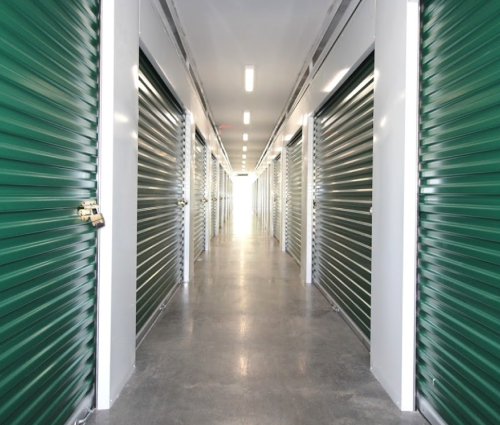
Storage conditions in Cookeville are shaped by noticeable seasonal shifts, and that often leads people to ask whether climate-controlled storage is truly necessary. At Cookeville Storage, climate-controlled storage units are designed to help reduce the effects of humidity, heat, and temperature fluctuations that occur throughout the year in Tennessee.


This Climate Controlled FAQ takes a closer look at how these units function, why they are often recommended in this region, and how they compare to standard storage options. By understanding the relationship between climate and stored materials, it becomes easier to decide how much protection your belongings actually need.


How Cookeville’s Climate Influences Storage Conditions

Cookeville experiences warm, humid summers followed by cooler winters, creating a cycle that directly impacts stored items. When temperatures rise, materials such as wood and plastic can expand, and when temperatures drop, those same materials contract. Over time, this repeated movement can weaken structural integrity or cause visible damage.


Humidity adds another layer of complexity. Moist air can penetrate cardboard boxes, upholstery, and paper goods, creating an environment where mold or mildew can develop. Even when items appear fine on the surface, internal damage may already be taking place.

Climate-controlled storage helps reduce these risks by maintaining a more stable indoor environment. Instead of reacting to outdoor conditions, items remain in a controlled space where fluctuations are minimized. 


What Climate Controlled Storage Actually Regulates

There is often confusion about what climate-controlled storage does. These units are not simply heated or cooled spaces. They are designed to maintain a consistent temperature range while also reducing humidity levels. This dual regulation is what makes them particularly effective in areas like Cookeville.


By stabilizing both temperature and moisture, climate-controlled units help prevent gradual damage that can occur over time. Materials remain closer to their original condition because they are not constantly adjusting to changing environmental factors. This becomes especially important for items that are stored for several months or longer, where even small fluctuations can accumulate into noticeable wear.


Which Items Benefit Most From Climate Control

While high-value items are often the first to come to mind, many everyday belongings can benefit from climate-controlled storage. Furniture, clothing, books, and household items all respond better to stable conditions, especially when stored for extended periods. For example, upholstered furniture can absorb moisture from the air, leading to odors or mildew if conditions are not controlled. Similarly, paper goods such as books or documents can become warped or discolored when exposed to humidity.


Packing methods also play a role in how well items are preserved. Our guide on how to pack a storage unit offers practical ways to organize belongings so that airflow is maintained and items are easier to access. When it comes to furniture, especially wood pieces, proper preparation is also essential. You can explore more detailed recommendations in our article on how to store wood furniture properly, which complements the benefits of climate-controlled environments.


Is Climate-Controlled Storage Necessary for Short-Term Use

One of the most common questions in any climate-controlled FAQ is whether these units are only necessary for long-term storage. In Cookeville, the answer often depends on the time of year and the types of items being stored. During humid months, even short periods of storage can expose items to moisture. Fabrics can begin to retain odors, and paper goods may absorb humidity faster than expected. Electronics are also at risk, as condensation can form when temperatures fluctuate.


Because of these factors, climate-controlled storage is not limited to long-term use. It can also provide valuable protection during shorter storage periods, particularly when environmental conditions are less predictable.


How Local Activities Shape Storage Needs

Cookeville is known for its outdoor attractions, including Cummins Falls State Park, where hiking, swimming, and exploring natural landscapes are popular activities throughout the year. These experiences often involve gear that is exposed to water, mud, and changing weather conditions.


After use, outdoor equipment should be cleaned and completely dried before being placed in storage. Climate-controlled units help maintain that dryness, reducing the risk of mildew or lingering odors developing over time. This connection between lifestyle and storage needs is often overlooked, but it plays a significant role in determining how items should be stored.


How to Get the Most Out of Climate-Controlled Storage

Even though climate-controlled units provide a more stable environment, preparation still matters. Items should be cleaned thoroughly and packed in a way that allows air to circulate. Overpacking boxes or stacking items too tightly can limit airflow, reducing the effectiveness of the controlled environment. Using shelving can help keep items organized and elevated, which further supports airflow within the unit. Taking these steps ensures that climate control works as intended, rather than being offset by poor packing practices.


Understanding how climate-controlled storage in Cookeville works provides valuable insight into how to protect your belongings from seasonal changes. At Cookeville Storage, these units are designed to address the challenges created by humidity and temperature fluctuations. This Climate Controlled FAQ highlights the key factors that influence storage decisions, helping you determine when climate control is the right fit and how to approach storage with greater confidence.

By Josh Summerhays July 14, 2026
Discover 10 practical storage tips to maximize space, protect your belongings, and stay organized. Learn how to make the most of your storage unit in Cookeville, TN.
June 29, 2026
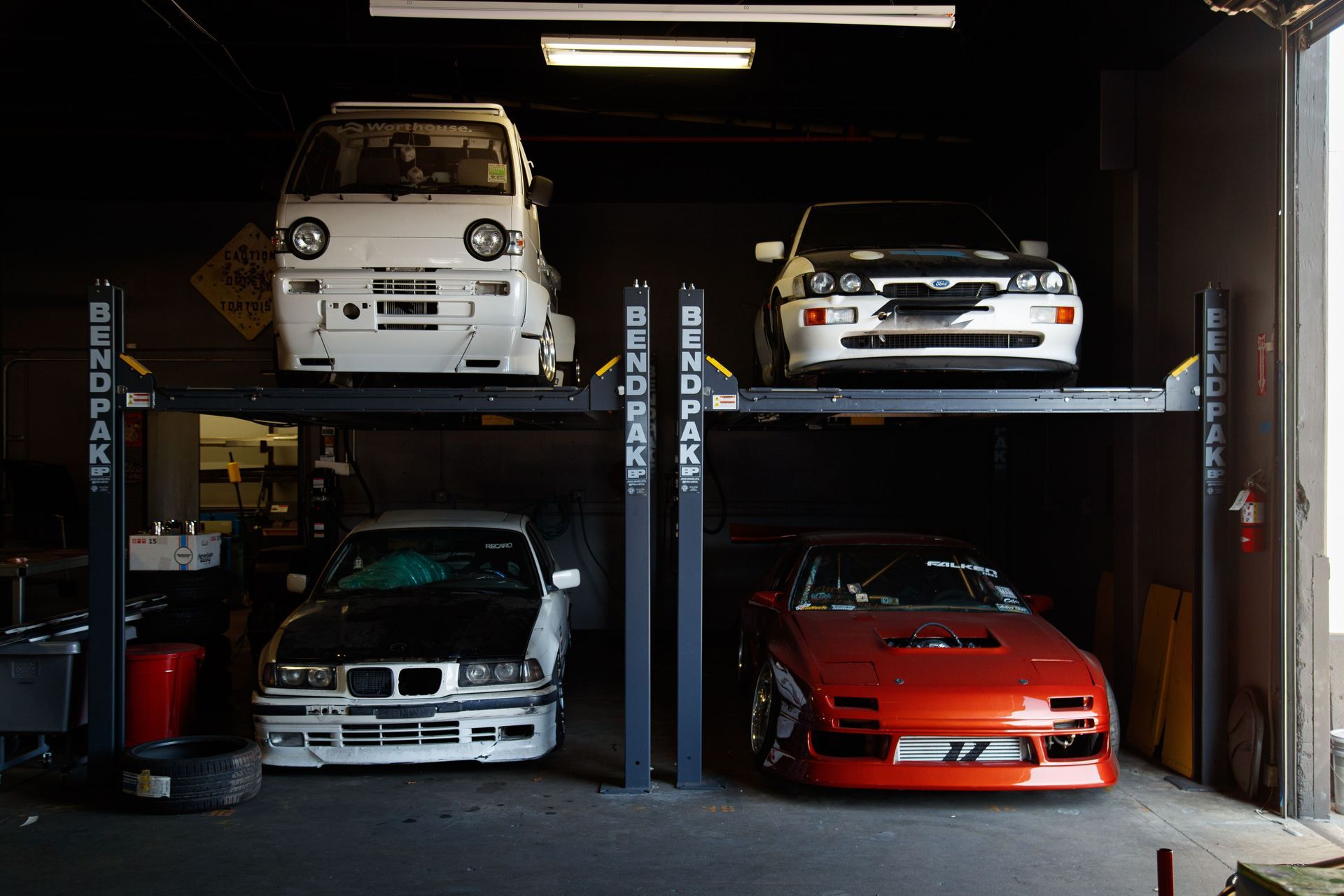
A vehicle storage decision usually starts with one simple question: will the space actually work for what you need to store? In Cookeville, that often means thinking beyond the vehicle itself. A car, RV, trailer, or project vehicle may also come with gear, covers, tie-downs, tools, or household items you want nearby. At Cookeville Self Storage, our facility on Hwy 111 offers outdoor vehicle storage options, including larger drive-up units that can help with vehicle storage needs. The practical part is matching the space to the way you plan to use it. A unit that looks large enough on paper can still feel tight if you need room to open doors, walk around, or retrieve items during the month. Here is how we recommend thinking through the choice before you rent. Start With the Vehicle, Then Add Working Room The right storage space is not just about the length of the vehicle. It is about clearance, movement, and how often you expect to visit the unit. A 10x20 space gives you 200 square feet, while a 10x30 gives you 300 square feet. Those numbers are useful, but the better question is what kind of breathing room you need around the vehicle. If you only plan to park and leave it, your needs are different from those of someone who wants to store seasonal gear, small tools, or household overflow in the same area. For Cookeville renters, that extra room can matter. Vehicles stored near I-40 and Hwy 111 may be part of a bigger life transition: moving, remodeling, clearing the garage, or keeping an extra vehicle out of the driveway. If you expect to load and unload more than once, do not choose based on the tightest possible fit. A good rule: picture the vehicle parked, then picture yourself opening a door, stepping around the front, and reaching anything stored along the side. If that mental picture feels cramped, size up when available. Use 10x20 and 10x30 Spaces for Different Jobs A 10x20 or 10x30 unit can both support larger storage needs, but they solve different problems. A 10x20 option is often the more compact choice for renters who need a large outdoor space without overbuilding the storage plan. It can make sense for vehicle storage when the vehicle and the amount of surrounding gear are limited. It can also work well for multi-bedroom household storage, appliances, or larger furniture if your storage need is not strictly vehicle-related. A 10x30 option gives you noticeably more room to work with. At Cookeville Self Storage, 10x30 units are listed for whole-home storage, remodel projects, business inventory, and vehicle storage. That makes them especially useful when the vehicle is only one part of the storage problem. Maybe you are clearing a garage before a renovation. Maybe you need room for an RV plus items that used to live around it. Maybe you want one larger space instead of splitting belongings across several smaller spots. That little extra margin is not glamorous, but it is helpful. Storage gets frustrating fast when every visit requires moving three things just to reach one. Think About Access From Hwy 111 and I-40 Location matters more with vehicle storage than many renters expect. If you plan to check on a vehicle, rotate the gear, or pull items before a trip, a convenient route can make the storage unit easier to use. Cookeville Self Storage is located at 1000 Hwy 111 in Cookeville, with convenient access to Hwy 111 and I-40. That setup is useful for local renters who do not want vehicle storage to become a separate errand across town. For someone coming from work, heading out for a weekend, or moving items between home and storage, an easy route can be the difference between using the unit regularly and avoiding it. This is also where drive-up access can help. With drive-up storage, you can pull close to the unit for loading and unloading, which is useful when you are handling heavier gear, boxes, or items that do not belong loose in a vehicle. If your vehicle storage plan includes more than parking, this convenience becomes part of the decision. Before renting, think through your real visit pattern. Will you stop by monthly, seasonally, or only when a move or project ends? The more often you expect to visit, the more you should prioritize easy loading, enough walking room, and a layout that does not force you to unpack the whole space. Prepare the Vehicle Before It Goes Into Storage A good storage choice starts before you arrive at the facility. Clean out the vehicle, remove anything perishable, and decide what should stay with it versus what belongs in boxes or a separate area of the unit. For RVs, cars, and other vehicles, it is smart to create a simple pre-storage routine. Take out food, trash, damp towels, and loose items that could shift. If you are storing outdoor gear with the vehicle, dry it completely first. Cookeville weather can bring humidity, and moisture trapped in fabric, boxes, or gear can create problems over time. Use labeled bins for smaller items instead of tossing everything into the back seat or cargo area. Keep the items you may need first near the front of the unit. If the space also holds household belongings, leave a narrow path where possible so you are not stepping over boxes every time you visit. For broader space planning, our storage unit size guide can help you compare unit sizes before deciding whether a 10x20 or 10x30 layout makes more sense. Match the Storage Type to the Items Around the Vehicle Vehicle storage often becomes mixed storage. That is fine, but it changes the decision. Outdoor, drive-up vehicle storage can be a practical fit for vehicles, tools, outdoor equipment, and items you need to load quickly. Climate-controlled storage is a different option for belongings that are more sensitive to temperature and humidity changes, such as wood furniture, electronics, photos, artwork, or documents. If your plan includes both a vehicle and delicate household items, separate those needs before choosing a unit type. This is one of those operator details we see renters overlook: the vehicle may be fine in one type of space, while the boxes packed around it may need more care. Do not let the vehicle make the whole decision. Look at the full storage mix. If your storage plan includes important paperwork, electronics, or furniture, review the available unit options on our Cookeville storage units page or contact our team before renting. We can help you think through whether a drive-up, climate controlled, or larger vehicle-friendly space is the better match. How We Help With Vehicle Storage in Cookeville The easiest storage experience starts with a clear plan: what you are storing, how often you will visit, and whether you need room for more than the vehicle. Cookeville Self Storage offers vehicle storage options, drive-up units, climate-controlled units, online rentals, and a range of popular unit sizes at our Hwy 111 facility. We also offer month-to-month rentals, which can help when your storage timeline depends on a move, remodel, seasonal schedule, or changing household needs. If you already know what you need, you can rent online through our Cookeville Self Storage facility page . If you are deciding between sizes or unit types, reach out through our contact page and we will help you narrow it down without making the process more complicated than it needs to be. Vehicle Storage FAQs What size storage unit should I consider for vehicle storage in Cookeville? Start by comparing the vehicle’s size with the available 10x20 and 10x30 options, then add room for walking, opening doors, and storing any gear nearby. A tighter fit may work for simple parking, while a larger space can be easier if you plan to access items regularly. Does Cookeville Self Storage offer vehicle storage? Yes. Cookeville Self Storage lists vehicle storage options, including larger outdoor drive-up units such as 10x20 and 10x30 spaces. Availability can change, so it is best to check current options before renting. Is drive-up access helpful for vehicle storage? Yes, especially if you plan to load boxes, tools, outdoor gear, or household items along with the vehicle. Drive-up access can reduce carrying distance and make repeat visits easier. Should I use climate-controlled storage for items stored near my vehicle? Use climate-controlled storage for items that are sensitive to temperature and humidity changes, such as wood furniture, electronics, artwork, photos, and documents. Vehicle storage and delicate-item storage do not always require the same unit type. Can I rent a vehicle storage unit online? Yes. Cookeville Self Storage supports online rentals, so you can review available options and complete the rental process online when the right unit is available.
Small Business Storage in Cookeville, TN
May 28, 2026
Learn how Cookeville small businesses can use storage for inventory, records, tools, and seasonal supplies without overcomplicating operations.
By Josh Summerhays April 16, 2026
Discover a detailed storage unit size guide for Cookeville, TN. Learn what fits in each unit and how to choose the right space for your needs.
By Josh Summerhays February 13, 2026
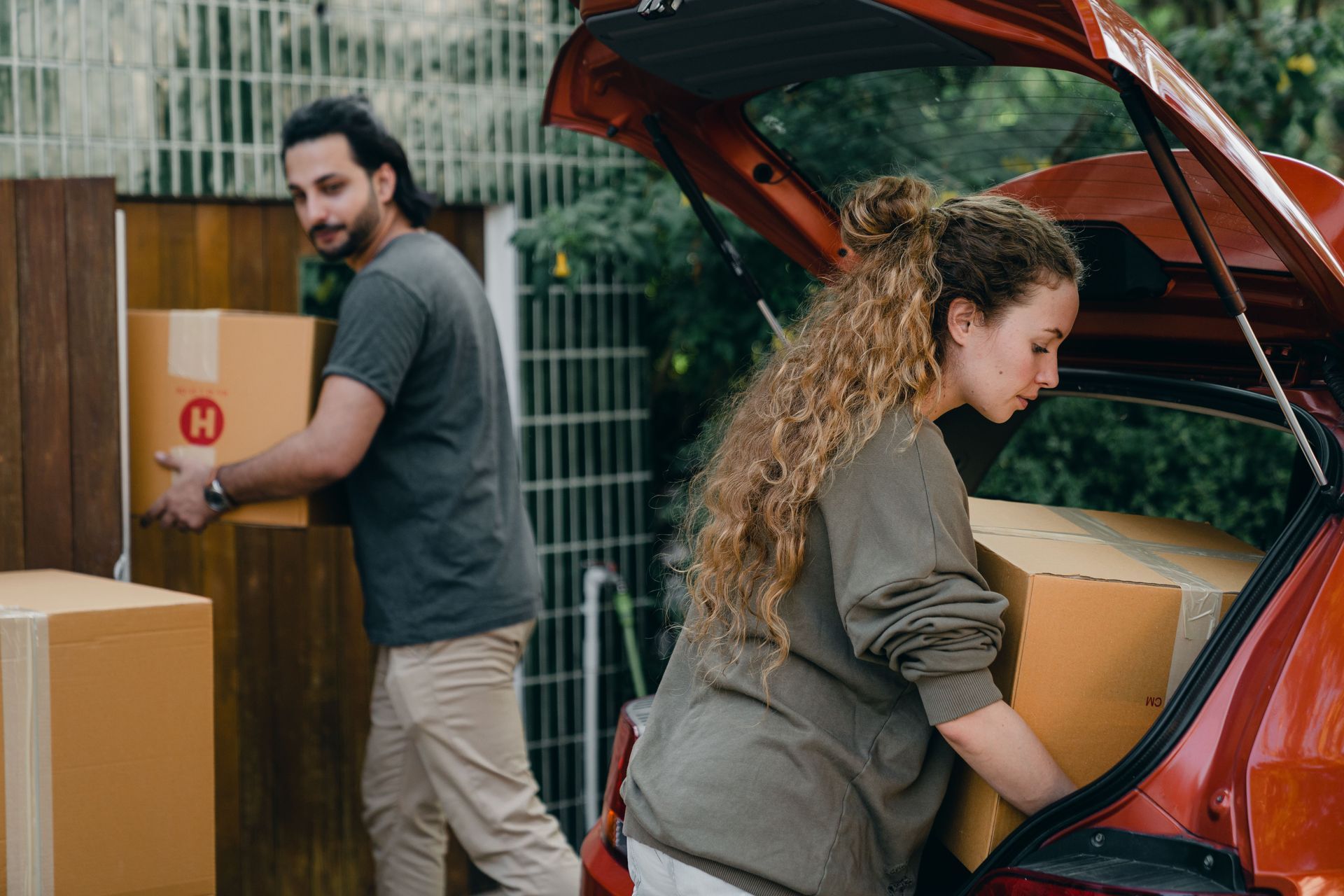
Learn how to pack a storage unit efficiently with expert tips for organizing, stacking, and protecting items in Cookeville, TN. Make the most of your space.
wood bench seet
By Josh Summerhays January 22, 2026
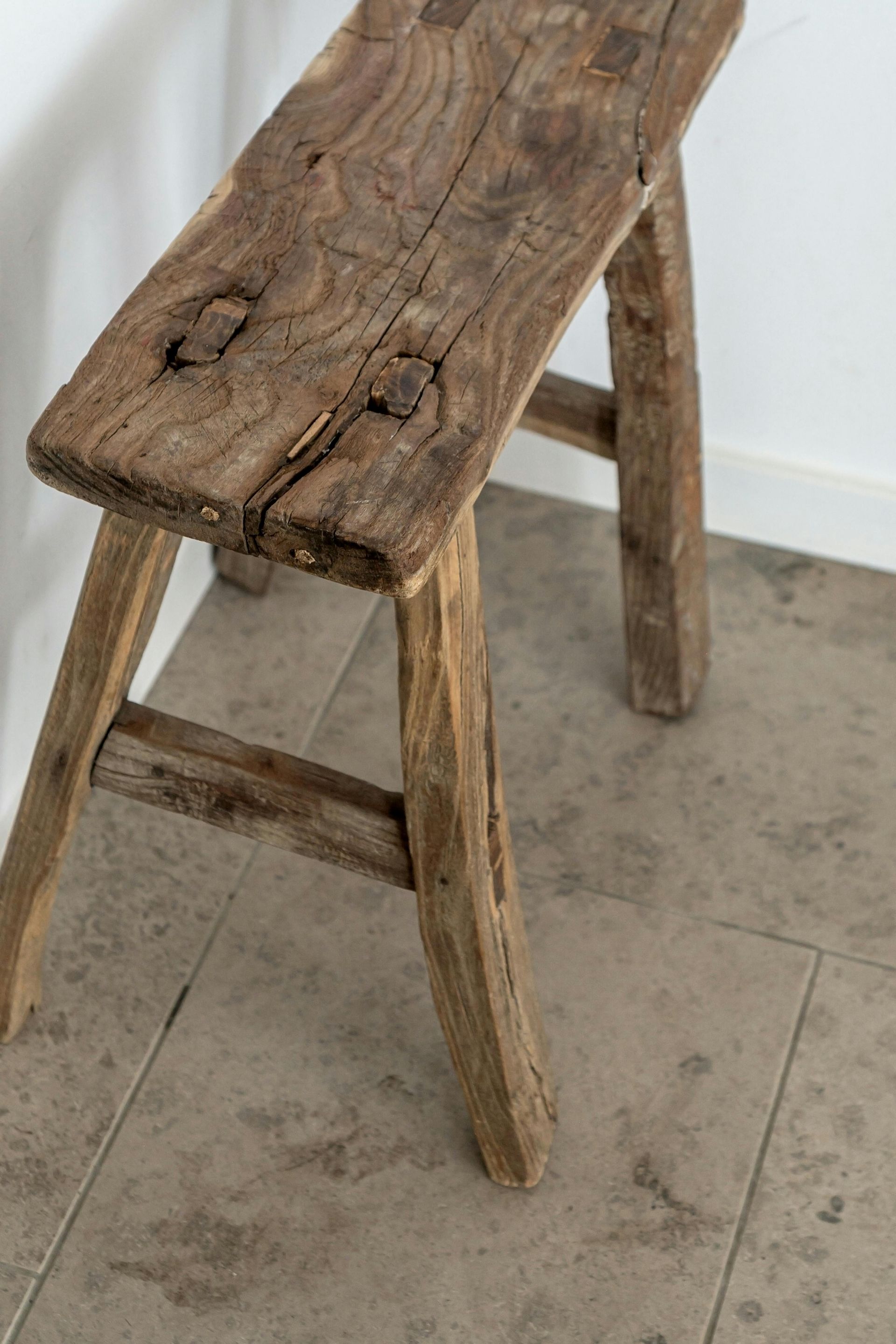
Wood furniture requires more care in storage than almost any other household item. Learn how to store it properly here.
Cookeville Storage Self Storage
September 22, 2025
Simplify your Cookeville move with self storage! Discover climate-controlled units, RV/boat storage near Cane Creek Park, and local tips at Cookeville Storage.