Before You Park It: What to Know About Storing a Car in Cookeville, TN
Keeping an extra vehicle at home isn't always practical, especially when garage space is needed for everyday use, or a car won't be driven for several months. Renting a storage unit offers another option, but there's more to the process than finding a space and parking inside. The vehicle's dimensions, the type of storage available, and how long it will remain parked all deserve attention before you make a decision.
If you're researching how to store a car in a storage unit, the first step is understanding what kind of space your vehicle needs. At Cookeville Self Storage, we offer larger drive-up units and vehicle storage options at our facility on Highway 111. You can review our storage options in Cookeville to compare available spaces and determine which arrangement makes sense for your vehicle.
Can You Store a Car Inside a Storage Unit?
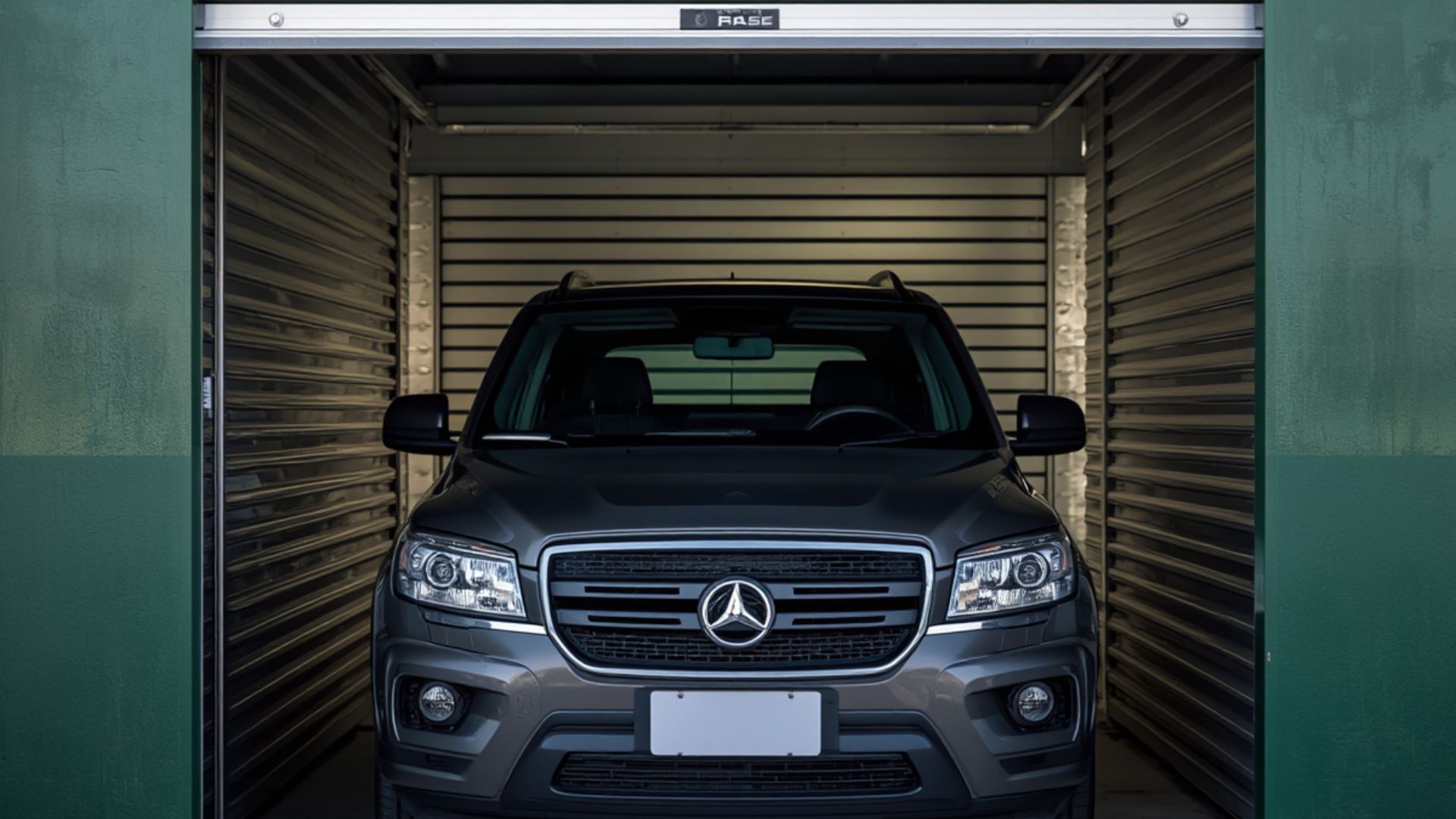
Yes, a car can be stored inside a storage unit, provided the facility permits vehicle storage, and the unit has enough clearance to accommodate it. Not every large unit is suitable for parking, though. The dimensions of the vehicle, the width of the entrance, and the room available for maneuvering all affect whether a particular space will work. At our Cookeville facility, we offer larger units that can accommodate certain vehicles, including 10x30 options. We also have outdoor vehicle storage options for renters who don't necessarily need an enclosed space. The appropriate choice depends on the vehicle and the availability of a suitable unit.
Before renting, confirm that your particular vehicle is permitted in the selected space. A unit advertised for general household storage shouldn't automatically be treated as a vehicle parking space, even if its floor dimensions appear large enough.
Choosing the Right Storage Unit Size for Your Car
One of the most important parts of storing a car is checking the actual measurements. A vehicle that fits within the listed dimensions of a unit might still leave too little space to open the driver's door, walk around the bumper, or enter and exit comfortably.
Understanding 10x20 and 10x30 Storage Units
Our facility offers 10x20 and 10x30 storage units, although the best use of each size depends on the vehicle and the specific unit. A 10x20 unit provides 200 square feet of floor space. Its dimensions may be suitable for some passenger vehicles, but the vehicle's length and width must be checked against the usable interior space and door opening. It's also important to confirm that the particular unit is approved for vehicle storage.
A 10x30 unit provides 300 square feet and offers additional length for larger vehicles or belongings stored alongside them, where permitted. We identify these larger units as an option for certain vehicle storage needs. The additional space may be useful if you need access around the car during storage. Our guide to choosing vehicle storage in Cookeville explains how to compare dimensions and account for the space needed around a parked vehicle.
Measure More Than the Vehicle's Length
Start with the manufacturer's published dimensions for your specific make, model, and year. Include mirrors, roof accessories, or modifications that affect the vehicle's overall measurements. Then compare those figures with the usable interior dimensions of the unit.
The door opening deserves separate attention because it may be narrower or lower than the interior. You'll also need enough clearance to enter without scraping the vehicle and enough room to get out once it's parked. Checking these measurements before renting is much easier than discovering a problem on move-in day.
Indoor vs. Outdoor Car Storage
An enclosed unit and an outdoor parking space serve different purposes. Choosing between them depends on how much protection you want from direct exposure and how frequently you expect to use the vehicle.
Enclosed Storage Units
An enclosed unit separates the vehicle from direct sunlight, rain, and falling debris while the door is closed. It also gives you a defined space for the vehicle rather than an open parking position. This arrangement may appeal to renters storing a car for several months or keeping a vehicle they use infrequently.
At our facility, larger drive-up units are among the options worth considering for vehicle storage. Keep in mind that drive-up access alone doesn't guarantee a vehicle will fit inside. You'll still need to confirm the unit's entrance dimensions and its approval for car storage.
Outdoor Vehicle Storage
Outdoor parking is another option for vehicles that don't require an enclosed unit. We offer outdoor vehicle storage, and our published size guide also identifies covered parking options for cars, boats, and RVs. Covered parking provides overhead shelter, but it doesn't offer the same enclosure as a storage unit. Before selecting a space, check the current availability and whether the parking arrangement suits your vehicle's dimensions.
How to Prepare a Car Before Putting It in Storage
Once you've selected a suitable space, the next job is preparing the car itself. A vehicle parked for several months needs more attention than one left unused for a weekend, particularly when it comes to the battery, tires, fluids, and interior condition.
Clean the Exterior and Interior
Wash the car before storage to remove road grime, bird droppings, and other residue from the paint. Dry it thoroughly, paying attention to areas where water collects around seals and trim. Leaving the exterior clean also makes it easier to inspect the finish when you retrieve the vehicle. Inside, remove food, trash, and damp belongings. Vacuum the seats and floor mats, clean any spills, and make sure the upholstery is dry before closing the doors. If the vehicle will remain parked for an extended period, remove anything that could attract pests or retain moisture.
Check the Tires and Fluid Levels
Inspect the tires for damage and inflate them to the pressure specified by the vehicle manufacturer. Use the recommended cold tire pressure rather than the maximum pressure printed on the tire's sidewall. Long periods of inactivity can contribute to flat spotting, especially when tires remain loaded in the same position for months. Check the tire manufacturer's recommendations if the car will be parked for an extended period, and avoid inflating tires beyond approved limits.
Check the engine oil, coolant, and other essential fluids before storage. If maintenance is due, completing it beforehand may be preferable to leaving the vehicle parked with old fluids. Any visible leaks should be addressed before the car enters the unit.
Protect the Battery
A car battery gradually loses charge even when the vehicle isn't being driven. Modern vehicles may also draw power while parked because of their electronic systems, which can leave the battery discharged after an extended period. For longer storage, a compatible battery maintainer may be appropriate where electrical use is permitted. Otherwise, consult the vehicle's owner's manual about battery disconnection and storage procedures. Disconnecting a battery isn't suitable for every vehicle, and electrical equipment shouldn't be left running inside a unit without the facility's approval.
Plan for Fuel Storage
If the vehicle will remain parked for several months, consult the owner's manual for guidance on fuel storage. Recommendations can vary depending on the fuel system, vehicle age, and expected storage period. Some gasoline-powered vehicles may benefit from an appropriate fuel stabilizer, used according to the product instructions and manufacturer guidance. Don't assume every vehicle needs the same treatment, and never bring separate fuel containers into a storage unit without confirming the facility's rules. At our facility, hazardous and flammable materials are prohibited. Vehicle storage requirements should be confirmed before move-in, including any restrictions related to fuel, leaks, or maintenance activities.
Consider the Parking Brake
Leaving a parking brake engaged for a long period can create problems on some vehicles, particularly if components become stuck during storage. Consult the owner's manual for the correct parking procedure, especially when the car will remain stationary for months. Wheel chocks may be appropriate where permitted, but they must be used correctly on a suitable surface. Don't leave a vehicle unsecured or substitute improvised objects for proper parking equipment.
What to Check Before Renting Vehicle Storage in Cookeville
The storage space itself is only part of the decision. Access hours, property features, rental terms, and vehicle requirements are worth reviewing before you commit, particularly if the car will remain stored for an uncertain amount of time.
Facility Access and Security
Our property is located at 1000 Highway 111 in Cookeville, with access from the Highway 111 and Interstate 40 area. This location is useful for renters who expect to check on their vehicle periodically or need to retrieve it before heading out of town. We provide access seven days a week, from 6:00 a.m. until midnight. Our facility also features controlled gate access, digital video surveillance, and lighting throughout the property. These are useful details to consider when deciding where to leave a vehicle that won't be used regularly.
Rental Terms and Vehicle Requirements
At Cookeville Self Storage, we offer month-to-month rentals. This arrangement is useful when you're unsure how long you'll need the space, such as during a home renovation or while deciding what to do with an additional vehicle. Before moving a car into storage, confirm the documentation required, any insurance obligations, and the facility's vehicle policies. It's also worth checking your existing auto insurance coverage to understand what remains protected while the vehicle is parked. Storage facility security features don't replace appropriate insurance.
Keeping Your Car in Good Condition During Storage
Preparing a car before parking it is important, but its condition during storage also deserves attention. The longer it remains unused, the more important it becomes to monitor the battery, tires, and any developing maintenance problems. If you plan to visit periodically, inspect the tires for pressure loss, look underneath for fluid leaks, and check the interior for moisture or signs of pests. Avoid starting the engine briefly inside an enclosed unit. Exhaust fumes contain carbon monoxide, and running an engine in an enclosed space is dangerous. If the car is being stored while you're relocating, our moving tips for a more organized moving day may also be useful for coordinating the rest of your belongings and planning the move.
Getting Your Car Ready to Drive Again
Before taking a stored vehicle back onto the road, inspect it rather than assuming it's ready to drive. Check the tire pressure, examine the tires for visible damage, and look for leaks beneath the vehicle. Confirm that the battery has sufficient charge and that the essential fluid levels are correct. Remove any storage accessories that aren't intended for driving, including wheel chocks or battery maintenance connections. Once the car is outside the unit and in a safe location, check the brakes and warning lights before returning to normal driving. A vehicle that has been parked for many months may need additional maintenance, especially if its battery has discharged or its tires have developed flat spots. If anything appears unusual, have it inspected before taking a longer trip.
Find the Right Space Before Putting Your Car Away
The best time to resolve questions about vehicle storage is before you arrive with the car. Knowing its measurements, the expected storage period, and the facility's requirements will help you avoid renting a space that doesn't suit the vehicle. At Cookeville Self Storage, we offer larger drive-up units, outdoor vehicle storage options, and month-to-month rentals at our Highway 111 property. For anyone comparing an enclosed unit with a parking space, the next step is to check the available dimensions and confirm which option is approved for the vehicle. You can explore
storage options from Cookeville Self Storage to review current availability, rental details, and unit choices before making arrangements to store your car.