15 Moving Tips That Make Moving Day Easier
Moving creates dozens of small jobs at once. You’re packing rooms, deciding what to keep, arranging utilities, tracking paperwork, and trying to make sure the things you’ll need first don’t end up at the bottom of a box. A better move starts by separating those jobs instead of trying to handle everything during the final few days.
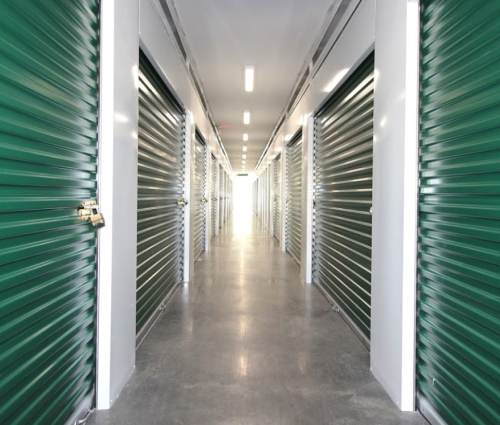
Storage can also give you some breathing room when the dates for leaving one home and settling into another don’t line up neatly. If you need temporary space between addresses, our storage options in Cookeville include drive-up and climate-controlled units, with month-to-month rentals available. Our property is at 1000 Hwy 111, with access to Hwy 111 and I-40, which is useful when your moving route already takes you through that part of Cookeville. The following 15 moving tips focus on the parts of a move that benefit most from planning: what to pack, when to pack it, how to label it, and what to keep accessible until you’re settled.
1. Make a moving timeline before you start packing
Start with the fixed date, then work backward. Write down when you need to be out of your current home, when you receive access to the new one, when utilities need to change, and when a truck or other moving help will be needed. This gives you actual deadlines instead of one large task called “move.” Your packing schedule can follow the same approach. Rooms and belongings you rarely use can go first, while everyday kitchen supplies, toiletries, work equipment, and a small amount of clothing stay available until the last few days.
2. Get rid of things before putting them in boxes
Packing is a poor time to postpone decisions about belongings you already know you don’t want. Go through closets, cabinets, garages, and other crowded spaces before buying all your boxes. Donate, sell, recycle, or properly dispose of what isn’t coming with you. This also gives you a more accurate picture of how much you actually need to move. If you’re renting a truck or storage unit, make those decisions based on the belongings that are making the trip, not everything currently sitting in the house.
3. Make an inventory of larger items
You don’t need to record every fork and bath towel, but it helps to list furniture, appliances, electronics, large equipment, and other pieces that take up meaningful space. Measure bulky items when doorways, stairs, elevators, or limited truck space could become an issue. An inventory is especially useful if some belongings are going to a storage unit instead of the new home. Our size guide recommends listing boxed items as well as furniture, appliances, and awkwardly shaped pieces before estimating how much space you’ll need.
4. Gather packing supplies before the house is half packed
Running out of tape or boxes halfway through a room breaks your rhythm and encourages rushed packing. Gather sturdy boxes, packing paper, tape, markers, furniture covers, and any specialty materials you know you’ll need before the main packing begins. Try to keep box sizes reasonably consistent where possible. Similar-sized boxes are easier to arrange in a moving truck or storage unit, while very large boxes become difficult to carry once they’re filled with books, dishes, or other dense belongings.
5. Pack one room at a time
Packing several rooms at once usually creates half-filled boxes and loose items that have no clear destination. Finish one area before moving to the next, apart from things you deliberately leave out for daily use. Keep items from the same room together whenever practical. When you reach the new house, boxes can go directly to the correct room instead of collecting in one large pile that needs to be sorted again.
6. Label boxes for where they are going
Write the destination room and a short description of the contents on each box. “Kitchen: baking pans and mixing bowls” will be far more useful after a long moving day than a box marked simply “Kitchen.” Put the label on more than one visible side so it can still be read after boxes are stacked. If some belongings are headed to temporary storage, mark those separately before loading so they don’t accidentally travel to the new house.
7. Keep important documents with you
Identification, leases, closing documents, moving contracts, medication information, insurance paperwork, and other important records shouldn’t disappear into the back of a moving truck. Keep the documents you may need during the move together and carry them with you. The same applies to keys, wallets, phones, chargers, and essential medications. A clearly designated bag or folder prevents these small but important items from becoming part of the unpacking search.
8. Pack a first-night box
Most people won’t unpack an entire home on moving day. Prepare one clearly marked container with what you’ll need before the rest of the boxes are opened, such as basic toiletries, bedding, towels, a change of clothes, phone chargers, and a few simple kitchen necessities. Keep this box with you or make sure it’s loaded last. The goal is to avoid opening ten boxes at night because the one thing you need is somewhere in the middle of the truck.
9. Handle address changes and utilities ahead of time
Administrative tasks are easy to overlook while you’re surrounded by boxes. The U.S. Postal Service says a change-of-address request can be submitted before a move, and it recommends notifying organizations that send you mail of your new address and moving date rather than relying solely on forwarding. For a move within Cookeville, the city handles connection, disconnection, and billing for city-owned electric, natural gas, sewer, and water services. The City of Cookeville utility information explains the service-request process and what renters need to provide.
10. Disassemble bulky furniture when it makes sense
Bed frames, tables, shelving, and other large pieces are often easier to carry and arrange once removable parts have been taken off. Photograph complicated assemblies before taking them apart if you’ll need a reference later. Keep screws, bolts, brackets, and other hardware in labeled bags. Attach the bag securely to the corresponding piece when practical, or keep all furniture hardware together in a clearly marked container that stays accessible during the move.
11. Plan the loading order before the truck arrives
Loading shouldn’t be based solely on whichever box reaches the door first. Think about weight, stability, and what needs to come off the truck first at the destination. Heavy, sturdy pieces need secure placement, while fragile belongings shouldn’t end up underneath stacks of heavier boxes. Your first-night box and anything you need immediately should remain accessible. If the truck is making stops at both a storage facility and your new home, separate those groups before loading instead of trying to identify them at each stop.
12. Use temporary storage strategically
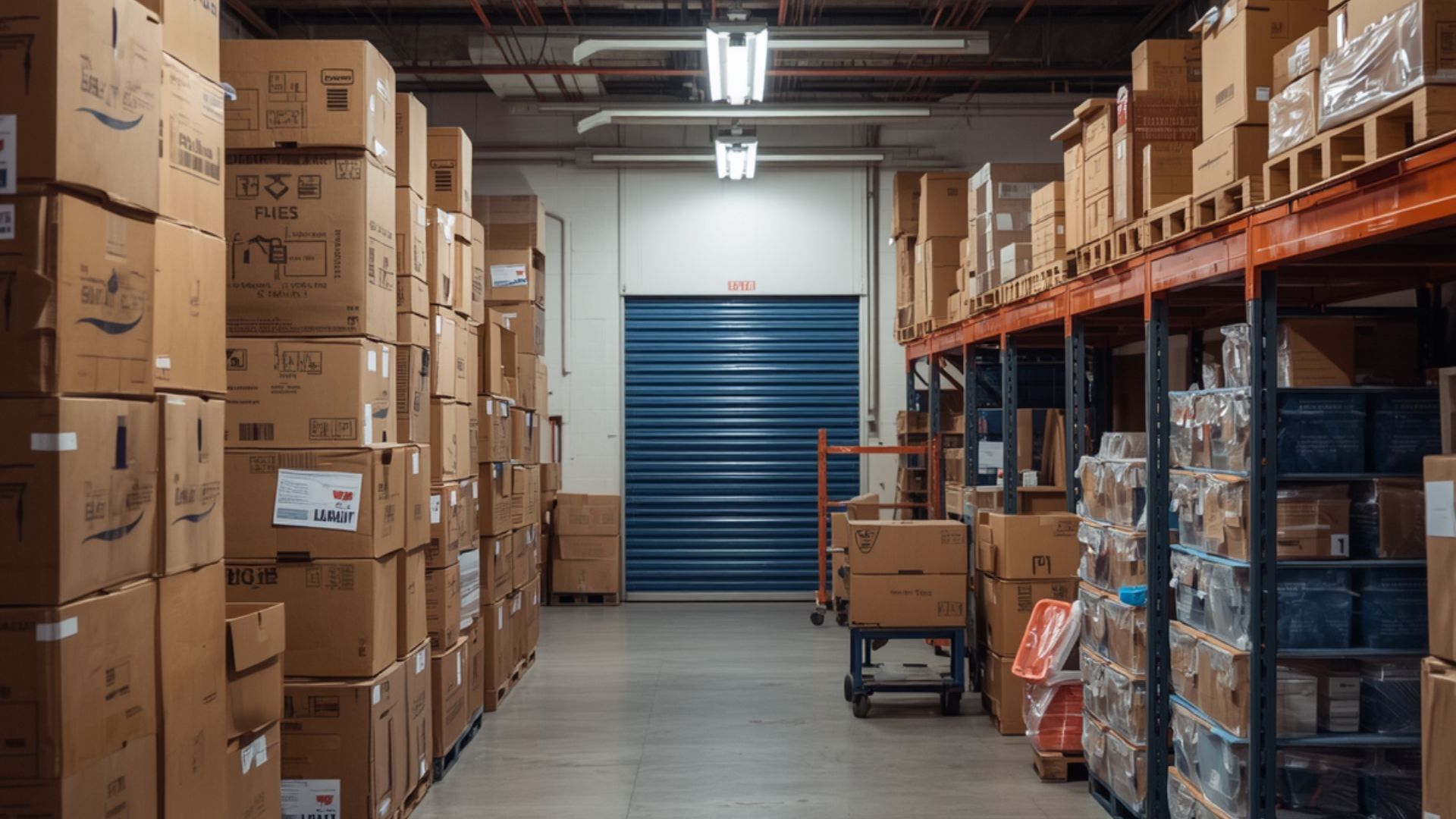
A storage unit can be useful when you’re between homes, downsizing, staging a property, renovating the new place, or dealing with move-in and move-out dates that don’t match. The key is deciding what the unit is supposed to do before you begin loading it. Items you’ll need soon should stay toward the front, while belongings that can remain stored longer can go farther back. Leave enough room to reach what you need rather than packing the unit wall to wall. Our guide to getting more usable space from a storage unit covers labeling, vertical space, walkways, and furniture preparation in more detail.
13. Decide separately what to do with extra vehicles
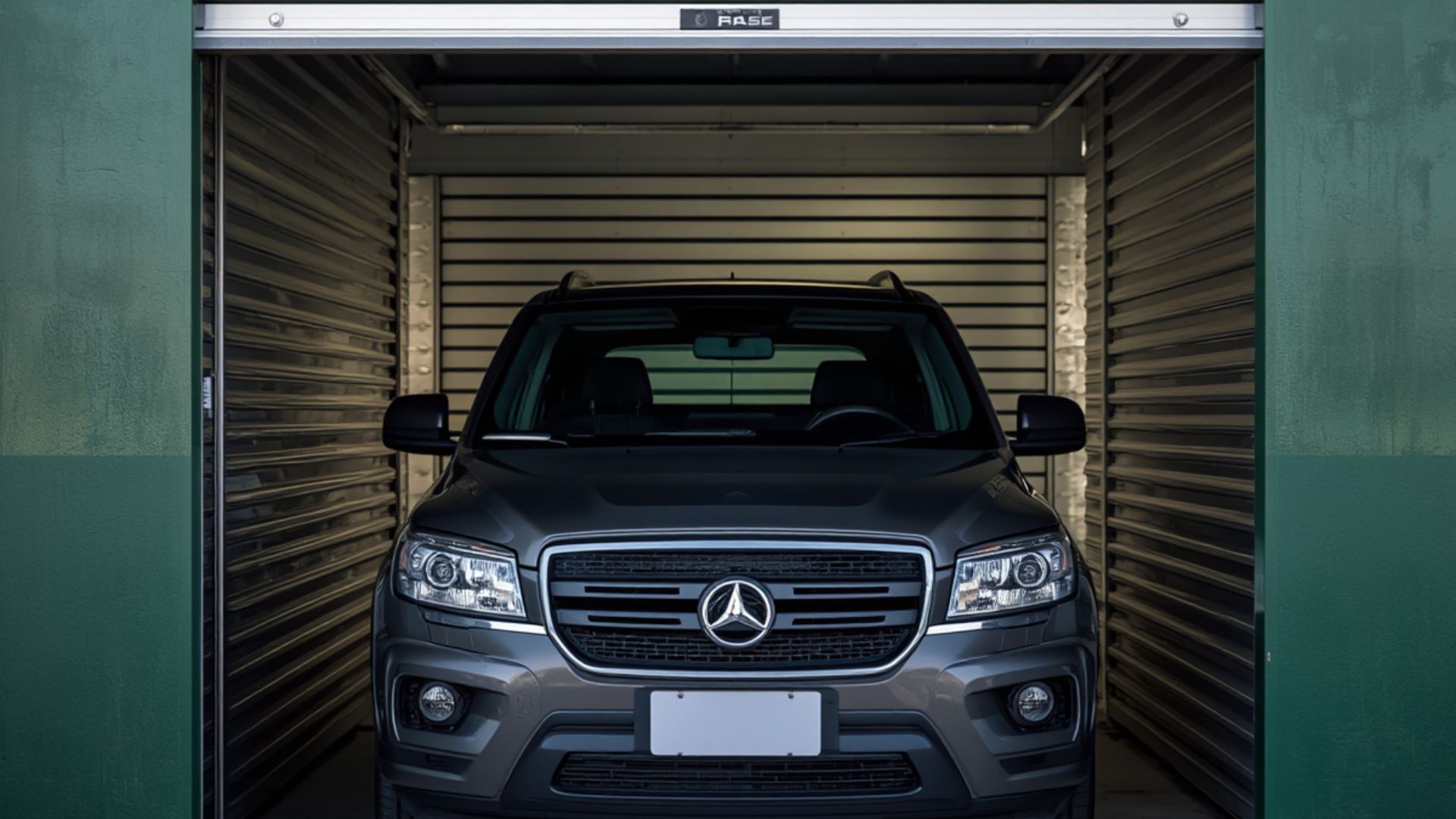
An extra car, trailer, RV, or project vehicle can complicate a move because it requires a different kind of planning from household boxes and furniture. Measure the vehicle and think about clearance rather than assuming a space will work from its advertised dimensions alone. If vehicle storage is part of your Cookeville move, our guide to choosing the right amount of vehicle storage space explains why room for doors, access, and any gear stored alongside the vehicle should be considered before choosing a space.
14. Clean the new home before unloading when possible
If you have access to the new place before the truck arrives, use that window to clean empty rooms and decide where large furniture will go. Floors, cabinets, closets, and other empty spaces are much easier to handle before boxes begin filling the rooms. Confirm that larger pieces will fit through the route you intend to use as well. Knowing where a sofa, bed, desk, or dining table belongs before it comes through the door reduces unnecessary lifting and rearranging.
15. Unpack according to what you need first
Once everything is inside, resist the urge to open boxes randomly. Start with the rooms that make the home functional: sleeping areas, bathrooms, and the everyday parts of the kitchen. Decorative pieces and less frequently used belongings can wait. Use your labels and inventory rather than opening boxes to see what’s inside. Breaking unpacking into rooms also makes it easier to deal with packing materials as you go instead of letting empty boxes and paper spread throughout the house.
Give Yourself Room Between Addresses
A smooth move doesn’t require an elaborate system. It requires making the important decisions early enough that they don’t all land on moving day. Sort before packing, label for the destination, keep essential items with you, and decide ahead of time which belongings are going directly into the new home. If you need somewhere to keep part of your household while dates overlap or you work through the new space, you can
explore
storage options from Cookeville Self Storage and compare the available unit types with what you actually need to store. Our facility offers month-to-month rentals, online rentals, drive-up units, climate-controlled options, and daily customer access from 6:00 a.m. to midnight.